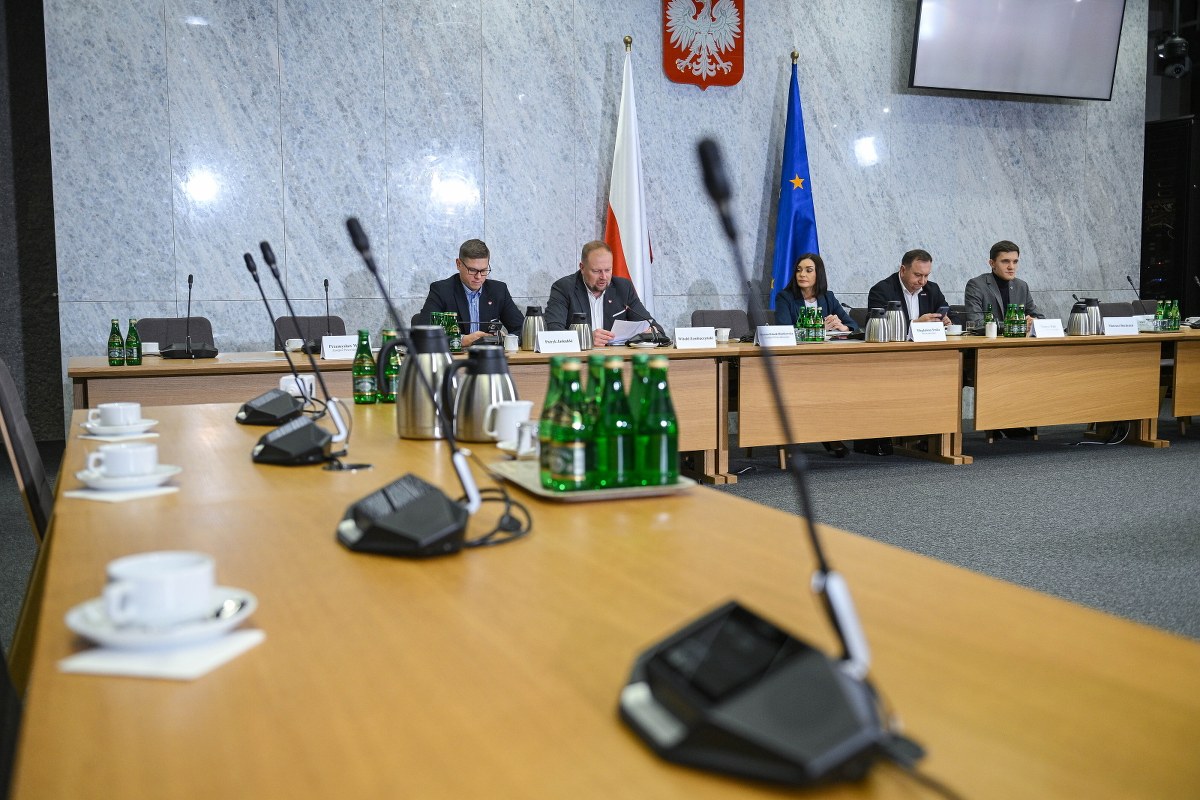
The BBC is not institutionally biased, the author of a leaked memo on impartiality has told MPs. Michael Prescott, a former external adviser to the BBC's editorial standards committee, faced parliamentary questions on Monday after raising concerns about selective editing in a Panorama episode on Donald Trump and the January 6 2021 Capitol disorder.
Prescott shared the memo with the Department for Culture, Media and Sport and broadcasting regulator Ofcom. The Daily Telegraph later published it. He told the Culture, Media and Sport Committee: "At the most fundamental level I wrote that memo, let me be clear, because I am a strong supporter of the BBC."
The former journalist emphasised the corporation's quality. "Tons of stuff that the BBC does is world class, both factual programming and non factual programming," he said. Asked directly if he thinks the BBC is institutionally biased, he responded: "No I don't… I do not think it's institutionally biased."
The Panorama controversy
The memo highlighted how clips of Trump's speech on January 6 2021 were spliced together. The editing made it appear he had told supporters he was going to walk to the US Capitol with them to "fight like hell". Trump threatened the BBC with billion-dollar litigation after the report became public. The US Federal Communications Commission launched an investigation.
Prescott said he would have acted the same way regardless of political affiliation. "If it had found that had been Kamala Harris misrepresented, not Donald Trump, I would have acted in exactly the same way," he told MPs. He added: "There was no ideology at play, no party politics."
Systemic problems identified
The adviser described "incipient problems" during his three years on the standards committee. "What troubled me was that during my three years on the BBC standards committee, we kept seeing incipient problems which I thought were not being tackled properly, and indeed I thought the problems were getting worse," he said.
He stressed that every issue seemed to have systemic causes. "The root of my disagreement and slight concern even today is that the BBC was not, and I hope they will change, treating these as having systemic causes," Prescott told MPs. "There's real work that needs to be done at the BBC."
Leadership resignations
BBC director-general Tim Davie and news chief Deborah Turness resigned in the fallout from the report becoming public. Chairman Samir Shah apologised on behalf of the BBC over an "error of judgment". He accepted the editing of the 2024 documentary gave "the impression of a direct call for violent action".
Prescott said Davie did a "first-rate job" as director-general but had a "blind spot" toward editorial failings. The BBC has now advertised the director-general position on its careers website.
Note: This article was created with Artificial Intelligence (AI).